Rendering and sensor simulation partners.
Policies that act from cameras, depth sensors, or lidar need simulated sensor data that looks enough like the real thing. Rendering quality and sensor models often decide whether a policy trained in simulation holds up on hardware.
We would like to integrate your rendering or sensor simulation so Optimus can use it when it builds perception-heavy environments, with documentation that says when it is the right choice. Together we bring simulated training closer to what the real sensor sees.
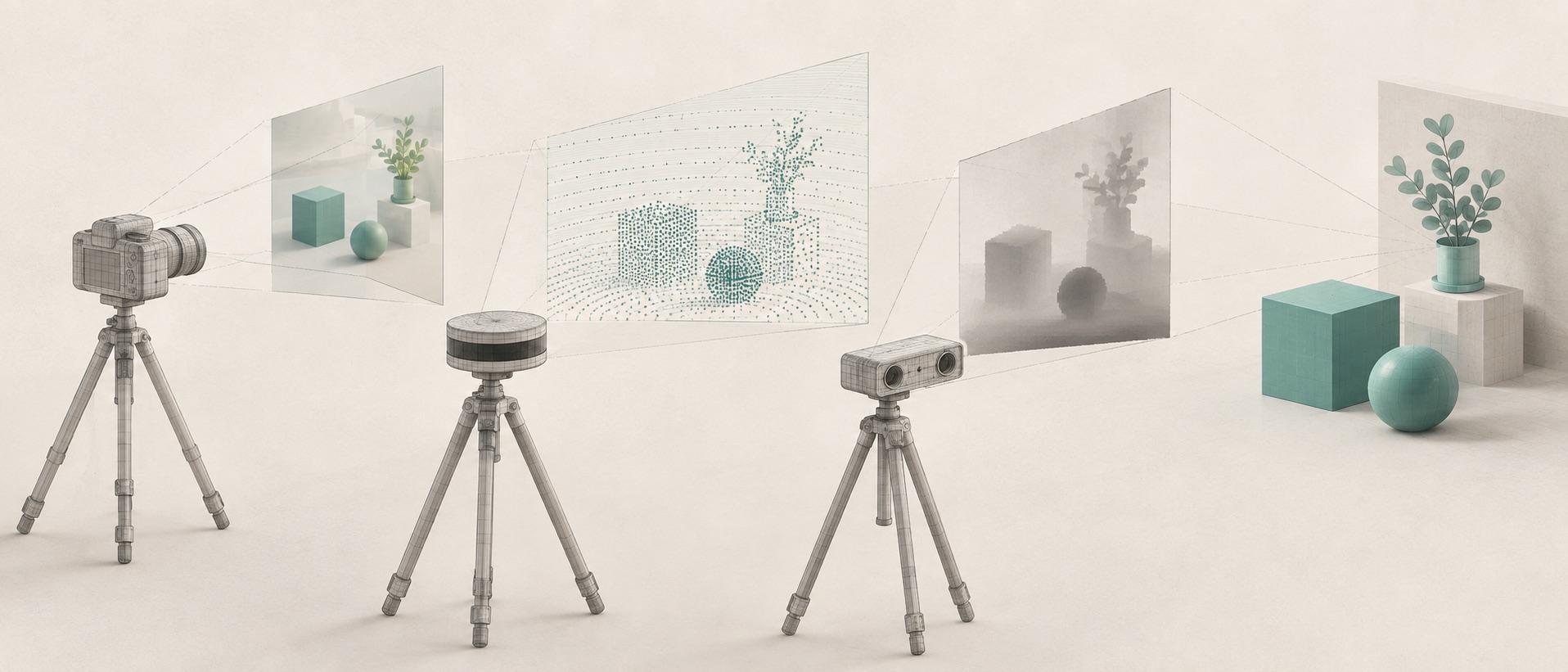
How the rendering and sensor simulation partnership works
Steps
- 01
Share access
You give us access to the product, its technical documentation, and a contact on your engineering team.
- 02
We integrate
We build the integration and write the documentation Optimus follows, so it knows when to use your product and how.
- 03
Test together
We run it in a real training setup and check the results with you before anything reaches a customer.
- 04
Go live
Optimus can select your product in customer runs, on commercial terms we agree with you.
For researchers
If you work on simulation, sim-to-real transfer, or faster physics, we would like to hear from you. Optimus can turn a simulator into training environments quickly, which makes it practical to test how simulation choices change what a policy learns. We are open to publishing results together.
Academic labs, independent researchers, and open-source teams can apply for up to $30,000 in Iacon credits through our research grants.
Talk to us
If a training run consumes what you sell, we should talk. Book a time directly, or write to dev@iaconautonomics.com and tell us which layer you supply.
Book a call